Summer, Speed, and AC: The Three Things New EV Buyers Misjudge Together
Hey, it’s Logan Pierce. We’ve talked highway loss and Phoenix heat already, but today I want to connect the dots on the three factors that catch almost every new EV owner off guard when they hit their first real summer: summer heat, highway speed, and AC usage.
These three don’t act separately. They multiply. And in a place like Phoenix, that combination can turn an optimistic EPA number into something that feels very different on a normal Tuesday afternoon.
I work in charging network operations, so I see both the driver reports and the actual performance data. The pattern is consistent: people expect some range loss in heat, but they rarely anticipate how speed and AC make it dramatically worse together.
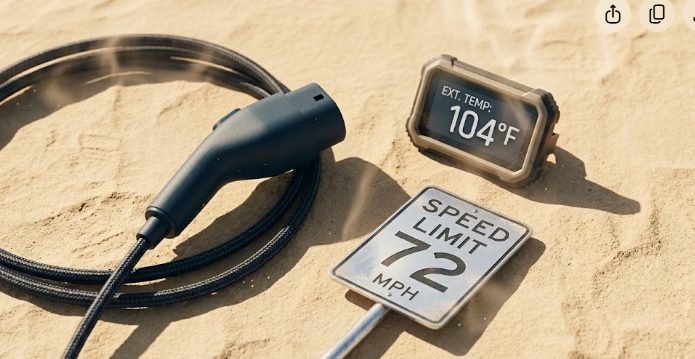
A good car decision should still feel good on a Tuesday. When it’s 103°F, you’re doing 72 mph on the 101, and the AC is fighting to keep the cabin comfortable, that’s when the real test happens.
How the Three Factors Combine
Individually, each one has an impact. Together, they create a perfect storm for range anxiety:
Summer Heat: Batteries and motors work harder to stay cool. Preconditioning the cabin before you leave already uses energy.
Highway Speed: Aerodynamic drag rises fast above 65 mph. Sustained speed means no regenerative braking benefit.
AC Load: In desert conditions, the AC runs near maximum. That constant power draw compounds the other two factors.
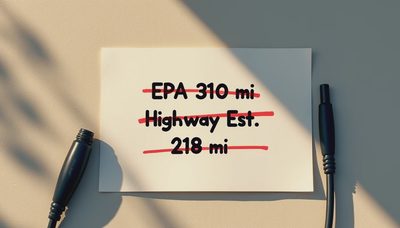
In Phoenix summer conditions, these three together can easily reduce your effective range by 30-40% compared to the EPA sticker. Sometimes more on a bad day.
Real Numbers From Phoenix Driving
Let’s use a typical mid-range EV with a 300-mile EPA rating:
Mild weather, mixed driving: ~260-280 real miles
Hot summer city driving with AC: ~220-240 miles
Highway at 72 mph + full AC + 100°F+: Often 180-210 miles of comfortable range
I’ve seen this repeatedly. A friend bought a new EV last spring. He was thrilled with the range in April. By mid-July, he was texting me: “Why does it feel like I’m losing 100 miles when I drive to Tucson?”
The car wasn’t broken. The conditions were just exposing what the brochures left out.
My Typical Summer Tuesday Scenario
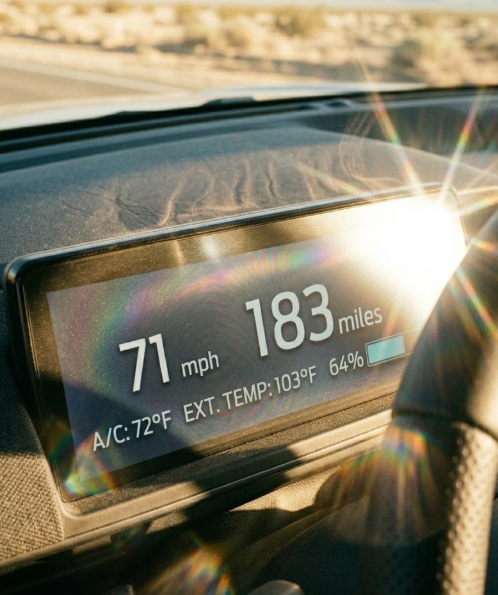
Here’s what a real Tuesday looks like for me:
I precondition the car while still plugged in (smart move). Outside temp is already 95°F at 7 AM. I head out on the highway for my commute at 70-73 mph. AC is on auto, fighting the greenhouse effect inside the cabin. By the time I reach the office, I’ve used noticeably more battery than in winter.
On the way home, if I stop for groceries, the mental math starts: “Do I have enough to make it without stopping at a charger?”
That constant awareness is what most reviews never mention. The car still works fine, but it demands more attention than a hybrid or gas car would in the same conditions.
What New Buyers Usually Misjudge
1. “I’ll just turn the AC down”
Most people don’t. Comfort matters, especially with passengers or after a long workday. The AC doesn’t sip power — it drinks it steadily.
2. “Highway range is close to EPA”
At American highway speeds, it’s rarely close. 70+ mph is normal here, not the gentle EPA test cycles.
3. “Heat only affects long trips”
Wrong. Even your daily commute gets hit. The effect compounds over the week when you’re not starting at 100% every morning.
4. “My car has great cooling tech”
Many do. But physics still wins. Advanced cooling helps, but it uses energy to fight the heat.
Lessons From the Operations Side
From the network data, I see increased fast charging usage during summer months, especially on highway corridors. Drivers who planned around mild-weather numbers suddenly need more top-ups than expected. This leads to higher costs and more frustration.
The owners who adapt best are the ones who build realistic buffers and adjust habits early.
Practical Ways to Handle the Trio
Here’s what actually helps in real Phoenix summers:
Precondition while plugged in — Use grid power, not battery.
Drive a bit slower when possible — Dropping from 75 to 68 mph can save meaningful range.
Use seat ventilation + slightly higher cabin temp — Better than blasting the AC.
Park in shade — Reduces initial cabin heat soak.
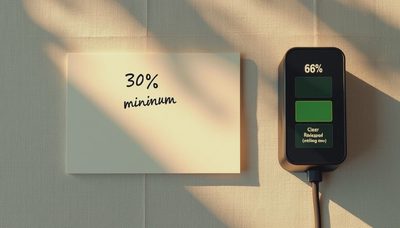
Build a 25-35% buffer — Plan trips assuming real summer conditions, not sticker numbers.
Keep tires properly inflated — Low pressure hurts efficiency more in heat.
Small habits add up. The goal isn’t perfection. It’s removing stress from normal driving.
When This Combination Matters Less
If your driving is mostly short city trips under 25 miles with home charging, the impact is manageable. But if you have regular highway miles or longer commutes, these three factors become central to your ownership experience.
Bottom Line: Respect the Reality
Summer, speed, and AC are not edge cases in many parts of America — they’re Tuesday reality for millions of drivers. New EV buyers who understand this combination early make much better decisions and set more realistic expectations.
EVs can still be excellent in hot climates. But only if you buy with eyes wide open and plan around actual conditions instead of marketing numbers.
In the Range category, we’ll keep focusing on these practical truths instead of fantasy. Next time we’ll talk about how much range buffer you actually need to feel relaxed.
Until then, test your next drive with all three factors active. Run the boring math for your real summer conditions. Make sure your car choice still feels good when it’s hot, you’re doing normal speeds, and the AC is working hard.
Because a good car decision should still feel good on a Tuesday — even in the middle of a Phoenix summer.

No notes on this sheet yet.