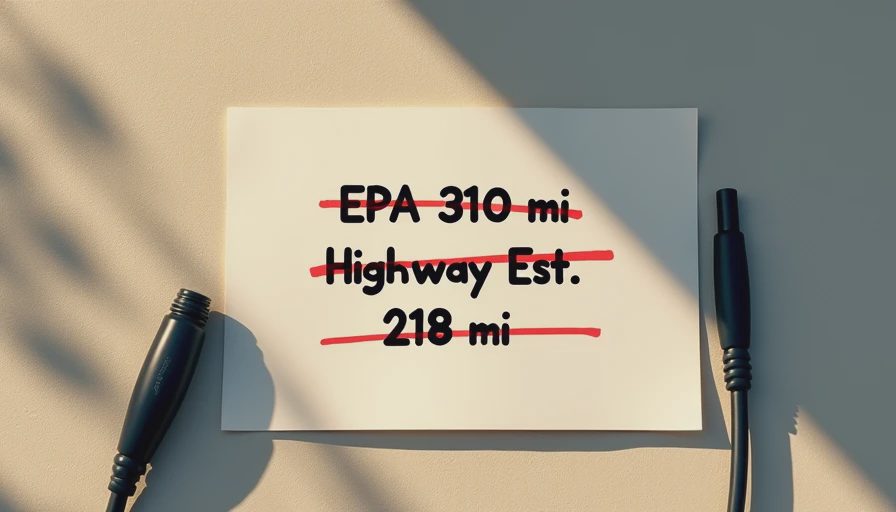
Don't Shop EPA Numbers Until You Understand Highway Loss
Hey, it’s Logan Pierce. We’ve covered Phoenix heat, home charging, and the Tuesday test. Now let’s talk about something that quietly disappoints more new EV owners than almost anything else: highway range loss.
I work in charging network operations in Phoenix. I see the data — not just what the window sticker says, but what actually happens when people drive at real highway speeds on real highways.
Most buyers shop by EPA numbers. Big mistake. You need to understand highway loss first, or you’ll end up with range anxiety you didn’t expect.
A good car decision should still feel good on a Tuesday. That includes your 75 mph commute home when traffic is moving and the AC is working hard.
Why EPA Numbers Are Misleading for Highway Driving
EPA testing uses a mix of city and highway cycles, with lots of stops, starts, and lower average speeds. Real American highway driving is different — sustained speeds of 70-75 mph, constant AC in summer, and sometimes hills or headwinds.
In Phoenix conditions, you can easily see 20-30% less range on the highway than the EPA figure. Sometimes more.
I’ve watched this pattern in both our fleet vehicles and from driver reports. A car rated for 320 miles might deliver 220-240 miles of comfortable highway range in summer. That’s not a defect — that’s physics.
The Three Big Highway Range Killers
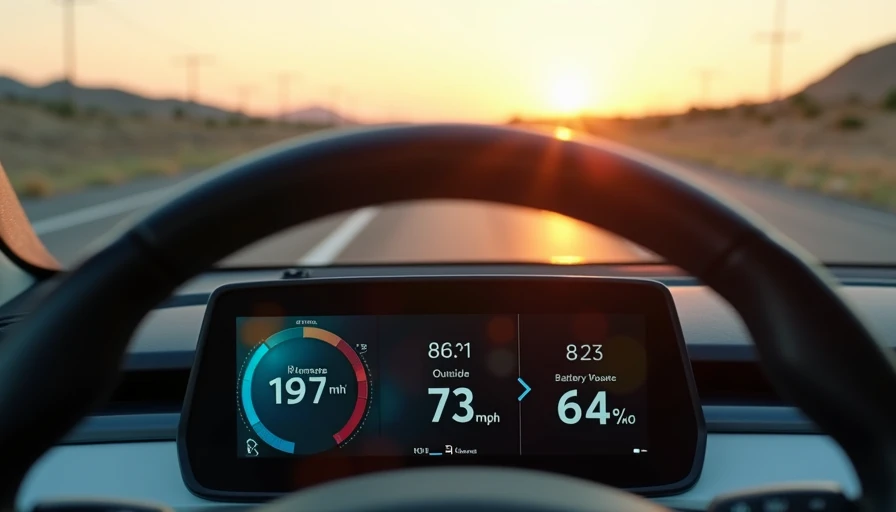
1. Speed
Aerodynamic drag increases exponentially with speed. Going from 65 mph to 75 mph can cost you 10-15% range. I’ve tested this myself on I-17 heading north out of Phoenix.
2. Heat + AC
In 100°F+ Arizona summers, the AC works overtime. Battery cooling systems also run harder. Together they create a constant energy drain that EPA tests don’t fully replicate.
3. Sustained Load
Highway driving has no regenerative braking benefit. You’re just pulling power steadily. Add a passenger, some cargo, or a headwind and the numbers drop further.
My Real-World Highway Example
Last month my girlfriend and I drove to a weekend desert trip — about 140 miles each way. The car’s EPA rating is 310 miles. On the way back, cruising at 72-74 mph with AC on full in 104°F heat, we arrived home with 38% battery left.
We had plenty of margin, but I was constantly aware of it. That mental load is what most reviews miss. On a normal Tuesday commute with similar conditions, that awareness becomes part of your daily driving.
What Highway Loss Teaches About Real Confidence
True range confidence isn’t having the highest EPA number. It’s knowing your actual usable range under the conditions you drive most.
After several years of this, here’s what I look for:
Strong active battery thermal management
Efficient highway aerodynamics
Realistic expectations (I mentally subtract 25-30% from EPA for summer highway trips)
The cars that feel best on the highway are the ones where the real-world number is still comfortably above your needs.
When Highway Range Matters Most
If your commute or regular trips include significant highway miles, this factor becomes critical. For pure city driving under 30 miles a day, it matters less. But most of us do a mix.
In Phoenix, many commutes involve stretches on the 101, 202, or I-10. Understanding highway loss prevents that “will I make it?” feeling on normal weekdays.
Practical Advice Before You Buy
Look Up Real-World Data — Sites with owner-reported numbers are more useful than EPA.
Test Drive on Highway — Take a longer test drive at actual speeds with AC running.
Calculate Your Needs — Add buffer for summer, speed, and errands. I like arriving home with at least 25-30% left.
Consider Efficiency Ratings — Look at MPGe at highway speeds, not just total range.
Don’t Oversize Just to Feel Safe — A bigger battery costs more. Better to understand the real loss and choose accordingly.
The Operations Perspective
From the network side, I see more range anxiety reports on highway-heavy routes. Drivers who planned around EPA numbers often end up using fast chargers more than expected, which adds cost and time.
The happiest owners are the ones who did the homework on real highway performance before buying.
Bottom Line: Understand First, Then Shop
Don’t let shiny EPA numbers drive your decision. Understand highway loss in your climate and driving style first. Then choose a car that gives you comfortable real-world range.
EVs can be excellent on the highway — quiet, smooth, and efficient when you respect their actual behavior. But pretending the sticker number is what you’ll get every day sets people up for disappointment.
In the Range category, we’ll keep focusing on these real-world factors instead of marketing claims. Next time we’ll dig into summer, speed, and AC together.
Until then, run your own numbers. Drive the routes you actually drive. Make sure your car choice still feels good when you’re doing 72 mph on a Tuesday afternoon with the AC blasting.
Because a good car decision should still feel good on a Tuesday — not just on paper.
No notes on this sheet yet.