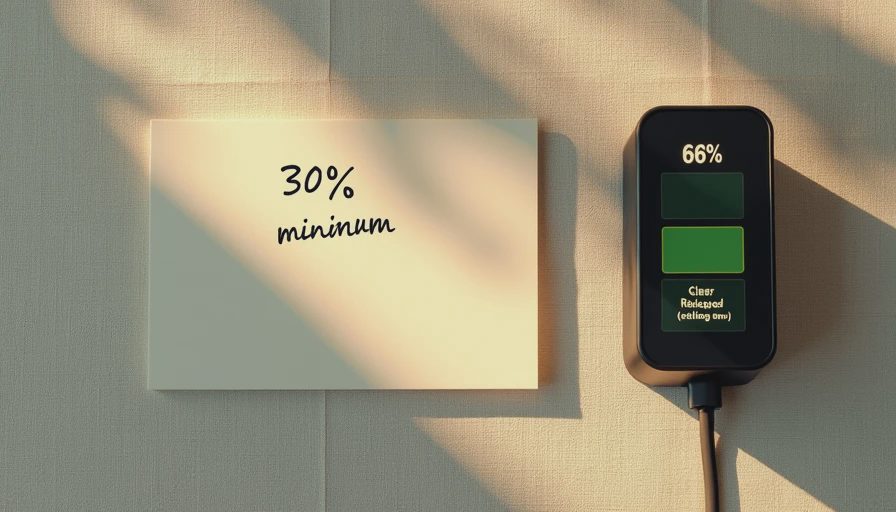
How Much Range Buffer Do You Actually Need to Feel Relaxed?
Hey, it’s Logan Pierce. We’ve talked about Phoenix heat, highway loss, and the summer AC-speed-heat combo. Today I want to tackle one of the most practical questions I get: How much range buffer do you actually need to feel relaxed?
The internet loves to argue about this. Some say 20%. Some say you should never drop below 50%. Others claim modern EVs are so good you barely need any buffer. As someone who works in charging network operations in Phoenix, I see the real patterns — and the real anxiety levels.
A good car decision should still feel good on a Tuesday. That includes pulling into your driveway with enough battery left that you’re not doing mental math before tomorrow’s commute.
Why Buffer Matters More Than Raw Range
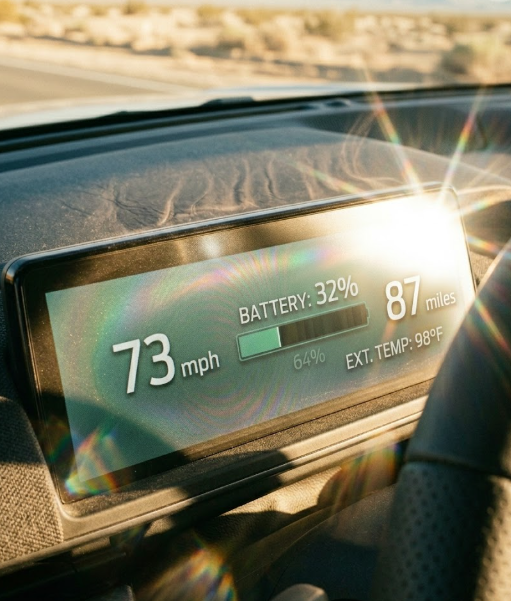
Range is what the car has. Buffer is what you keep in reserve to stay comfortable. The difference is everything in real ownership.
From the operations side, I see drivers with identical cars having very different stress levels based on how much buffer they personally need. Some are relaxed at 25% remaining. Others start worrying at 45%.
The right buffer is personal — but there are patterns based on lifestyle, climate, and experience.
What Phoenix Data Shows About Real Buffers
In our hot desert conditions:
Daily Commuters (under 40 miles): 25-35% buffer is usually enough if you have reliable home charging.
Highway Mix Drivers: 35-45% feels more comfortable, especially in summer.
New EV Owners: Many need 40-50% in their first 6 months until they build confidence.
These aren’t theoretical. They come from driver reports and actual charging behavior logs. Heat, speed, and AC change the game quickly.
My Personal Buffer Rule
In our household, I aim to arrive home with at least 30% in summer and 25% in winter. This gives me enough margin for:
Unexpected errands
Heavy AC usage
Traffic delays
Preconditioning the next morning
This buffer keeps me relaxed. I don’t obsess over percentage, but I also don’t push the car to its limits on normal days.
When we took a longer desert trip recently, I increased that buffer to 40%. Better safe and calm than “making it” with 8% left and stress the whole way.
The Psychology Behind Range Buffer
Buffer isn’t just about miles — it’s about mental load.
When you have a comfortable buffer, you stop thinking about charging during your normal routine. That’s the goal. The moment you start calculating “will I make it?” on a regular Tuesday, the car starts feeling like a burden instead of a tool.
I’ve talked to many owners who bought big-range EVs but still feel anxious because their personal buffer is too small for their comfort level. The extra range didn’t buy them peace of mind.
How to Find Your Own Right Buffer
Here’s a practical way to figure it out:
Track Real Usage for Two Weeks — Note your actual consumption in your normal conditions (heat, speed, AC).
Add Your Personal Stress Margin — How low can you go before you feel uneasy?
Factor Your Charging Access — Easy home charging = smaller buffer needed. Heavy public reliance = bigger buffer.
Adjust for Season — Add 10% in Phoenix summer.
Test It — Try living with different ending percentages and see what feels right.
Most people settle somewhere between 25% and 40% once they have a few months of experience.
When You Can Run a Smaller Buffer
Rock-solid home Level 2 charging every night
Very predictable routine
Comfortable with your car’s real-world efficiency
Multiple years of EV ownership
Even then, I recommend keeping at least 20-25% as a safety net.
When You Should Use a Bigger Buffer
New to EVs
Hot climate with frequent AC use
Mixed highway and city driving
Unreliable or shared charging access
Sharing the car with your partner
There’s no shame in a bigger buffer. Peace of mind is worth more than squeezing every last mile.
Bottom Line: Buffer Is Personal Confidence
The right range buffer isn’t about being conservative or brave. It’s about understanding your real driving, your climate, and your comfort level.
Don’t let internet warriors shame you for wanting to arrive home with 35% left. That extra margin might be exactly what makes EV ownership feel relaxed and enjoyable instead of stressful.
In the Range category, we’ll keep focusing on these real-world mental models instead of marketing claims. Next time we’ll talk about the 80% rule and whether it’s still useful.
Until then, figure out your own sweet spot. Test it in real conditions. Make sure your car choice gives you the buffer you need to feel good on a normal Tuesday — not just on perfect days.
Because a good car decision should still feel good on a Tuesday — with enough juice left that you’re not worrying about tomorrow.

No notes on this sheet yet.