
Stop Calling Every EV a "Road-Trip Car" — Most Owners Aren't Taking One
Hey, it’s Logan Pierce. We’ve covered a lot of ground on daily charging, range realities, and practical commuting. Today in Verdict, I want to push back against one of the most overhyped narratives in the EV world: that every electric car is some epic road-trip machine.
The truth? Most EV owners aren’t taking long road trips. They’re doing weekday commutes, grocery runs, and the occasional weekend drive. And that’s perfectly fine.
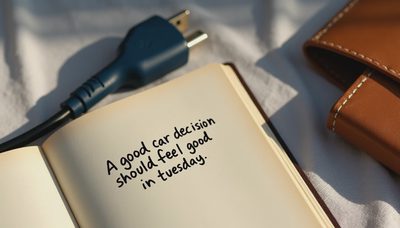
A good car decision should still feel good on a Tuesday. Not on some fantasy cross-country adventure you might take twice a year.
Why the "Road-Trip Car" Myth Is Harmful
Car companies and influencers love this story. Sleek shots of EVs charging in scenic locations, claims of “350 miles of freedom,” and videos of effortless long-distance travel.
But here’s what I see from the operations side in Phoenix: The vast majority of charging sessions are short, local, and routine. Most drivers are not living the road-trip lifestyle the marketing departments want you to imagine.
When people buy an EV expecting it to be their primary road-trip vehicle, they often end up disappointed when real life (heat, speed, charging stops, and scheduling) doesn’t match the dream.
The Actual Usage Patterns I See
From the network data:
70-80% of charging happens at home or work.
Most drivers travel under 50 miles per day on average.
True long road trips (300+ miles one way) are relatively rare for the average owner.
This isn’t a failure. It’s normal life. The best EVs for most people are excellent daily drivers, not adventure vehicles.
I live in a townhouse with my girlfriend. Our EV (when we use one) is mainly for commuting and errands. The few times we take longer trips, we plan carefully. That’s realistic ownership.
The Real Cost of the Road-Trip Fantasy

Buying with road-tripping as a major factor often leads to:
Paying for a much larger battery than you need for daily use
Higher monthly payments
More range anxiety when the car doesn’t deliver brochure numbers on actual trips
Over-reliance on fast charging infrastructure that still isn’t perfect
Meanwhile, the “boring” buyer who gets a well-matched EV for their real commute ends up happier and less stressed.
When an EV Actually Makes Sense as a Road-Trip Car
Let’s be clear — some EVs can be good for road trips if you have:
Strong home charging
Realistic expectations about speed, heat, and stops
Flexible schedules
A solid backup plan
But even then, it’s rarely effortless. There’s still planning, wait times, and weather variables. I’ve seen enough trip reports and network data to know it’s not the seamless experience many expect.
For most people, a good hybrid or plug-in hybrid is still the smarter tool for mixed use that includes occasional longer trips.
My Practical Advice for Normal Owners
Buy for Your 95% Use Case — Focus on commuting, errands, and daily life first.
Be Honest About Trip Frequency — How many real road trips do you actually take per year?
Plan for Reality, Not Fantasy — Factor in summer heat, highway speeds, and charging stops.
Don’t Oversize the Battery — Extra range costs real money every month.
Test Before You Commit — Rent an EV for a longer trip before buying.
My girlfriend and I run the ownership math for our actual routines. We don’t buy for some imagined future where we’re constantly on the road. That approach has served us well.
The Verdict
Stop calling every EV a “road-trip car.” Most owners aren’t road-tripping regularly, and that’s okay. The best EVs are practical tools that make normal life better — quieter, cheaper to run, and more pleasant for daily driving.
The cars that succeed in real ownership are the ones matched to actual routines, not marketing dreams.
In the Verdict category, we’ll keep making these honest calls. Next time we’ll talk about the monthly payment trap in EV shopping that no one discusses.
Until then, be realistic about how you’ll actually use the car. Run the boring math for your real life. Make the choice that still feels good on a normal Tuesday — not just on a perfect Saturday morning road trip.
Because a good car decision should still feel good on a Tuesday — when you’re just trying to get home after work.


No notes on this sheet yet.