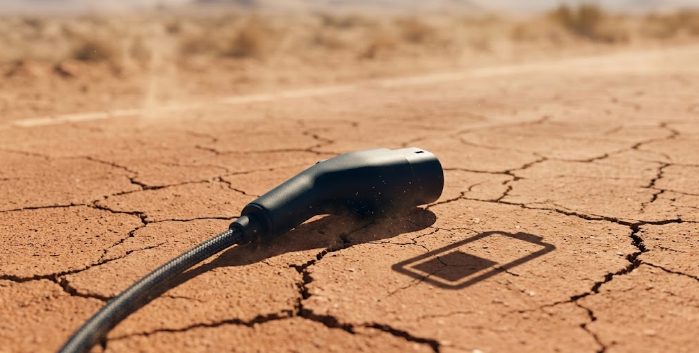
What Phoenix Heat Teaches You About EV Confidence That No Review Captures
Hey, it’s Logan Pierce. Living in Phoenix, Arizona isn’t just a detail — it’s a daily stress test for any EV owner. I work in charging network operations, so I see both the driver complaints and the backend data when temperatures climb above 105°F.
Most reviews test EVs in mild California weather or climate-controlled garages. They miss the real story: how brutal desert heat quietly eats range, changes charging behavior, and forces you to rethink what “confidence” actually means.
A good car decision should still feel good on a Tuesday — even when that Tuesday hits 108°F and you’re running late with the AC blasting.
The Gap Between EPA Numbers and Phoenix Reality
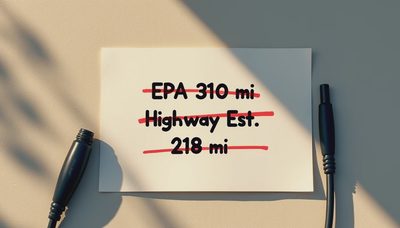
EPA range figures are optimistic. In Phoenix summer, you can easily lose 25-35% of that advertised range. I’ve watched it happen consistently in our fleet data and in my own driving.
Why? Three big factors hit at once:
Battery Cooling: The car works overtime to keep the battery in its happy temperature zone.
Cabin Preconditioning: You precondition the interior before getting in (because who wants to sit in an oven?), which pulls serious power.
AC Load: Running full AC on highway speeds creates constant energy drain.
A car rated for 300 miles can feel more like 190-220 miles on a real Phoenix summer day. That’s not marketing spin — that’s what the uptime logs and driver reports show.
My Daily Summer Driving Example
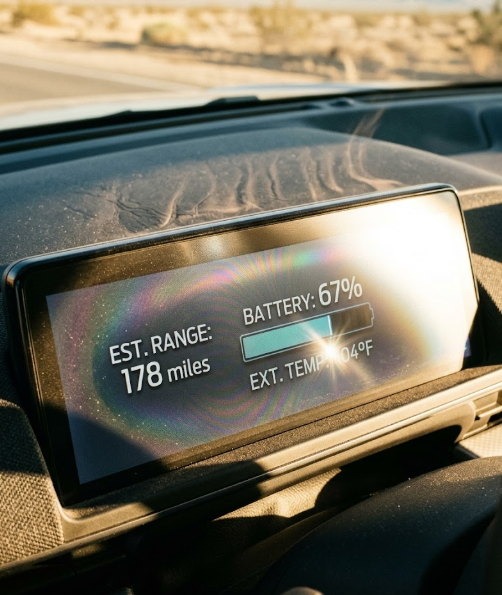
My girlfriend and I share driving duties. On a typical July weekday:
I leave the house at 7:15 AM after preconditioning. Outside temp is already 92°F and climbing. By the time I finish my 22-mile commute with AC running, I’ve used noticeably more battery than in winter.
The car tells me I have “enough” range, but that little voice in your head starts doing mental math: “If I hit traffic or need to run an errand after work, will I be okay?”
That mental load is what most reviews never mention.
What Phoenix Heat Teaches About Real Confidence
After several seasons of this, I’ve learned that true EV confidence isn’t about having the biggest battery. It’s about understanding your actual usage patterns and building habits that remove the stress.
Here’s what actually builds confidence in hot climates:
1. Home Charging Discipline
A reliable Level 2 charger at home is non-negotiable. Starting every day at 80-90%+ makes the heat loss feel manageable. Starting at 60% because you’re still “planning” your charger? That creates daily anxiety.
2. Preconditioning Strategy
I precondition while still plugged in. It uses grid power instead of battery. Small habit, big difference in summer range.
3. Highway Speed Awareness
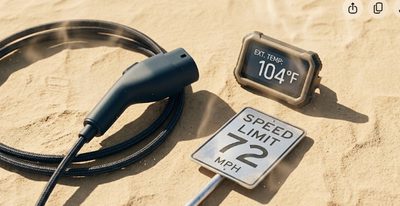
Dropping from 75 mph to 68 mph can save meaningful range in heat. I do this automatically now on longer trips.
4. Understanding the 80% Rule in Context
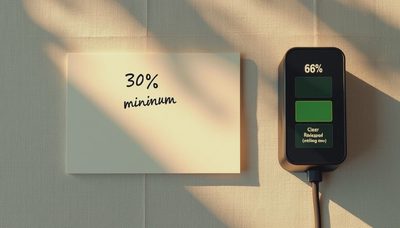
In extreme heat, I’m more comfortable arriving home with 25-30% instead of pushing lower. That buffer removes panic.
The Psychological Side Most People Miss
Heat doesn’t just reduce range — it reduces confidence.
You start second-guessing trips that should be easy. You hesitate to take the longer scenic route on weekends. You feel less relaxed even on normal commutes.
I’ve talked to dozens of owners who felt great about their EV in March but were stressed by July. The car didn’t change. Their understanding of real-world performance did.
When Phoenix Heat Makes EVs Feel Amazing Anyway
Don’t get me wrong — EVs can still be fantastic here:
Instant torque in stop-and-go traffic feels great.
Quiet cabin makes blasting AC more tolerable.
Lower operating costs still win if you have home charging.
But only if you respect the conditions. The drivers who adapt their expectations and habits are the ones who stay happy. The ones who treat EPA numbers as gospel get disappointed.
Practical Advice for Hot-Climate Buyers
If you live in Arizona, Texas, Nevada, or anywhere with serious summer heat:
Test drive in actual hot conditions if possible.
Prioritize cars with strong active battery cooling systems.
Budget for home charging from day one.
Build in a 25-30% summer range buffer in your planning.
Consider slightly larger battery options if your budget allows — not for bragging rights, but for peace of mind.
Also, don’t ignore the obvious: tinted windows, a good sunshade, and parking in shade whenever possible all help more than you’d think.
Bottom Line: Heat Teaches Humility
Phoenix summers have taught me that EV confidence comes from realistic expectations and solid infrastructure, not marketing claims.
No review captured during a press event in 72°F weather can prepare you for 107°F with full AC and a deadline. The cars are impressive tools, but they’re not magic.
I still recommend EVs for many people here — but only after they understand the real heat tax on range and plan around it.
Start with your actual routine in the conditions you actually drive in. Run the boring math. Accept the tradeoffs.
Because a good car decision should still feel good on a Tuesday… even when that Tuesday feels like standing in a hair dryer.
If you’re considering an EV in a hot climate, I’ll keep sharing these real-world lessons in the Range category. Next time we’ll dig into highway range loss and why it matters more than most people think.
Drive smart out there. The heat doesn’t care about your EPA sticker.
No notes on this sheet yet.