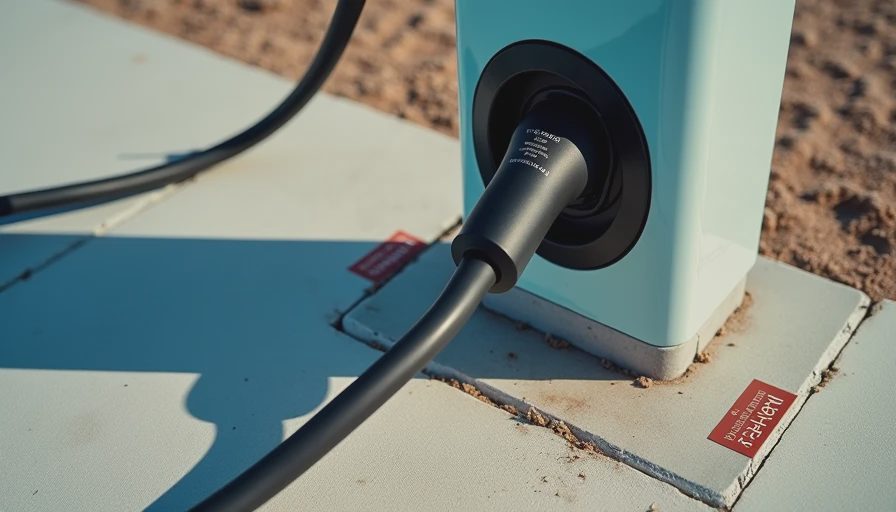
Fast Charging Is Useful — But It Shouldn't Be Your Ownership Plan
Hey, it’s Logan Pierce. After covering public charging tests and couple dynamics, let’s get real about fast charging. I work in charging network operations in Phoenix, so I see exactly how people use (and overuse) DC fast chargers every single day.
Fast charging is useful. I won’t pretend otherwise. But making it a core part of your ownership plan is one of the fastest ways to turn an EV from convenient to annoying.
A good car decision should still feel good on a Tuesday. And depending on fast chargers for your normal routine rarely passes that test.
Why Fast Charging Feels Tempting
Marketing makes it sound amazing: 10-80% in 20-30 minutes. Pull up, plug in, grab a coffee, and go. Perfect, right?
In reality, it’s more complicated. Especially during peak hours in hot weather. I’ve seen the backend data — wait times, throttled speeds, and frustrated drivers are common.
Fast charging works best as a backup tool, not your daily strategy.
The Real Cost of Making It Your Plan
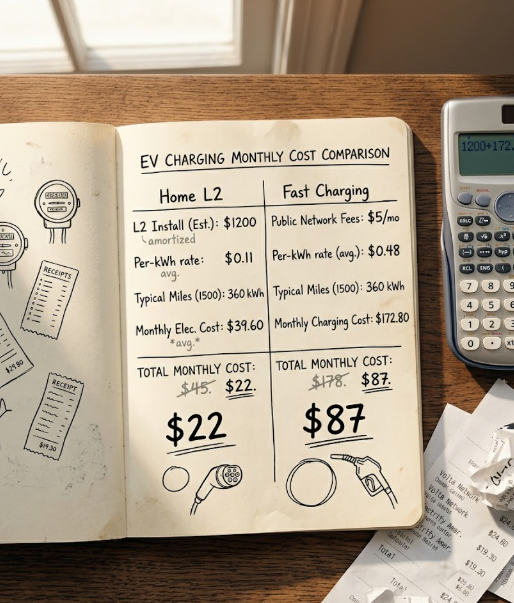
Let’s run some honest Phoenix numbers:
Electricity Cost: Fast charging is usually 3–4 times more expensive than home Level 2 charging.
Time: Even when it works perfectly, you’re still waiting 20-40 minutes. Multiply that by several times per week and it adds up.
Battery Health: Frequent fast charging in extreme heat accelerates battery wear over time (though modern cars manage this better than older ones).
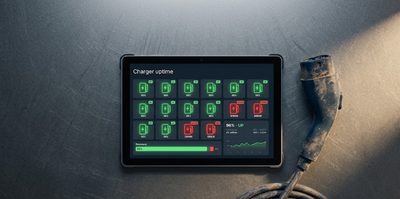
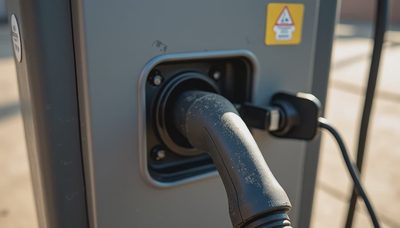
Reliability: Chargers go offline. Cables get damaged. Stations get occupied by people who stay longer than needed.
I’ve diagnosed enough failed fast chargers at 6:20 PM on weekdays to know this isn’t theoretical.
What Daily Fast Charging Actually Feels Like
Imagine a normal Tuesday:
You finish work tired. It’s 99°F. You need to charge before heading home or running errands. You drive to the nearest fast charger… only to find two out of four stalls occupied, one broken, and the last one charging at reduced speed because of heat.
Now you’re sitting in your car, watching the minutes tick by, calculating whether you’ll make it to dinner on time.
That’s not the smooth EV lifestyle people imagine.
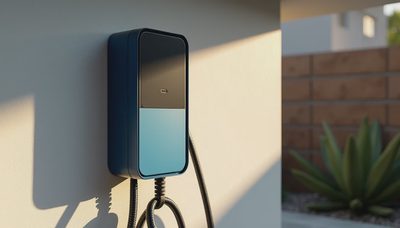
In contrast, when you have reliable home charging, you plug in after dinner and never think about it again. That’s the invisible infrastructure I keep talking about.
When Fast Charging Actually Makes Sense
Fast charging is excellent in these situations:
Road trips and long weekend drives
Emergency top-ups when you forgot to charge at home
Occasional use when your schedule gets disrupted
As a true backup when your primary home charger is unavailable
The key word is occasional. The happiest owners I see treat fast charging like a spare tire — useful when needed, but not something you drive on every day.
My Two-Charger Rule Revisited
I mentioned this before, but it’s worth repeating: Before calling any EV ready for daily life, you should have two reliable charging options:
Primary: Home Level 2 (ideal)
Backup: Either work charging or a convenient public Level 2
If fast charging (DC) is your primary or even heavy secondary plan, you’re setting yourself up for friction.
Lessons From the Operations Side
From the network data, vehicles that rely heavily on fast charging show:
Higher per-mile operating costs
More support tickets
Lower overall owner satisfaction scores after 3-6 months
People who planned around home charging report the opposite — they barely think about charging at all.
Practical Advice If You’re Tempted to Rely on Fast Charging
Be Honest About Your Access — If you don’t have home charging soon, reconsider the EV purchase timing.
Calculate Real Costs — Track a month of fast charging. You might be shocked at the monthly total.
Prioritize Level 2 — Public Level 2 (slower but cheaper and gentler) is often better for semi-regular use than DC fast.
Build Smart Habits — Precondition while plugged in. Charge during off-peak hours when possible.
Have a Hybrid Fallback Mentality — If fast charging becomes too much, know that switching to hybrid is always an option.
Bottom Line: Tools, Not Magic
Fast charging is a great tool for specific moments. It is not a solid foundation for everyday ownership.
The EVs that deliver the best ownership experience are the ones where fast charging is rarely needed — because you have reliable home charging and realistic expectations.
Don’t build your plan around the exception (fast charging). Build it around the routine (home charging).
In the Charge category, we’ll keep breaking down these real infrastructure truths. Next time we’ll talk about what charger reliability really looks like from the operations side.
Until then, ask yourself: Is fast charging a convenient backup in my plan, or is it becoming the main plan? Be honest. Run the boring math.
Because a good car decision should still feel good on a Tuesday — preferably without waiting at a charging station.
No notes on this sheet yet.