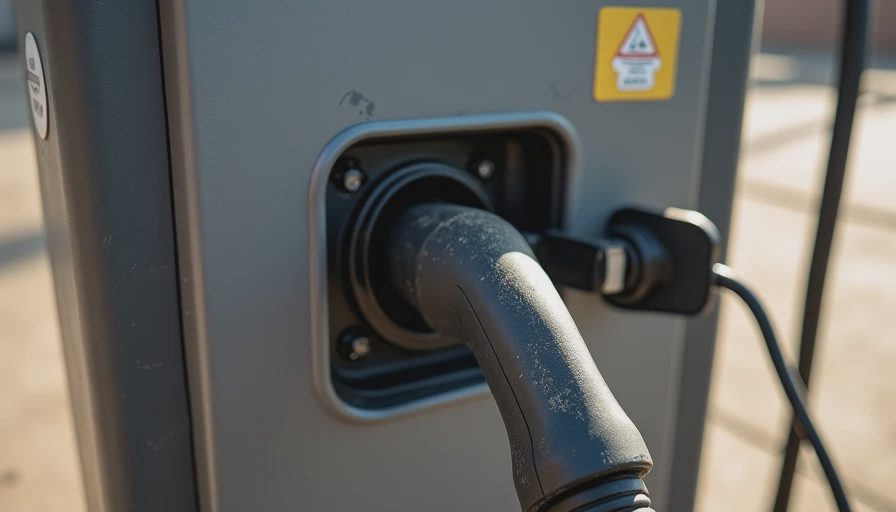
My Simple Test for Whether Public Charging Will Annoy You Within 30 Days
Hey, it’s Logan Pierce. After talking parking situations in the last post, let’s get specific about public charging. I work in charging network operations in Phoenix, so I see the real usage patterns and complaint data every day.
Most new EV buyers underestimate how much they’ll actually use public chargers. They assume it’ll be occasional. Then reality hits and they’re hunting for plugs at 6:20 PM on a hot Tuesday.
A good car decision should still feel good on a Tuesday. Public charging often fails that test hard if it becomes part of your regular routine.
Today I’m sharing my simple, practical test to predict within minutes whether depending on public charging will annoy you within the first month.
Why This Test Matters
I’ve watched hundreds of drivers move from “I’ll just use public chargers” to frustration in weeks. The backend data doesn’t lie — reliability, wait times, and app issues create more daily friction than most people expect.
The test is designed to simulate real life, not weekend road trips. It focuses on your normal weekday routine.
My Simple Public Charging Reality Test
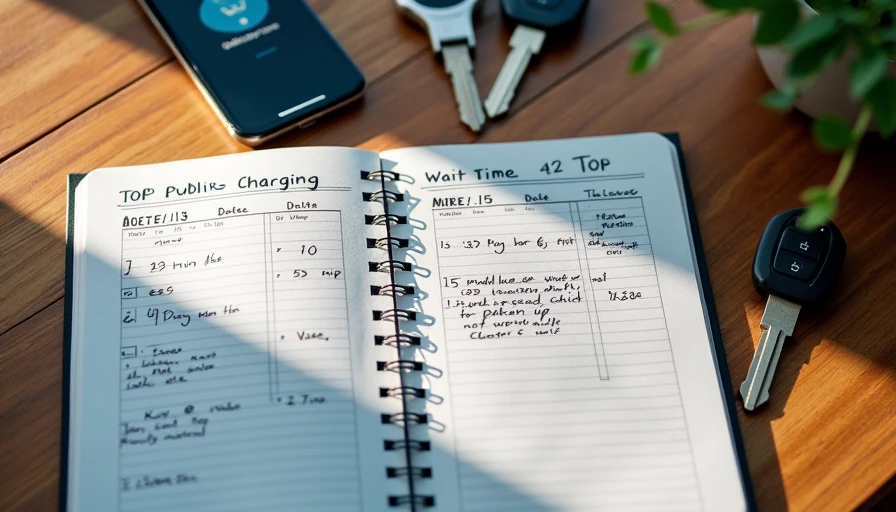
Here’s how to run it honestly:
Step 1: Map Your Normal Week
List everywhere you park after work, on errands, and weekend activities. Be specific — grocery store, gym, office, friend’s house.
Step 2: Check Real Availability (Not Apps)
Don’t trust the map. Physically go there during your normal times (evening rush hour) and count working chargers. Note how many are occupied or broken.
Step 3: Time the Experience
Try a full week relying only on public charging for your daily needs. Rent an EV if you don’t have one. Track:
How long you wait for a charger
Whether you have to detour
How the experience feels when you’re tired and hungry
Step 4: Run the Tuesday Night Simulation
Come home after a long day. It’s 98°F. You need to charge. Is there a reliable public option within 5 minutes of your parking spot? If not, how does that feel?
If any of these steps already feel stressful, public charging as a primary solution will probably annoy you within 30 days.
What the Operations Data Actually Shows
From the network side, I see patterns clearly:
Chargers near apartments and townhouses get hammered between 5-8 PM.
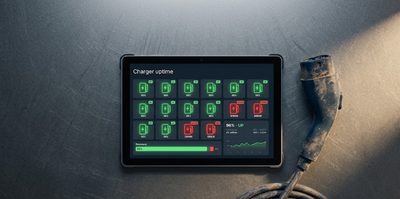
Reliability drops in extreme heat (cables overheat, stations throttle power).
Apps frequently show “available” when the charger is broken or occupied.
One driver told me he planned to use public chargers “temporarily.” Three months later he was still doing it and admitted he hated his EV because of it.
Real-Life Scenarios That Usually Fail the Test
Apartment Dweller with No Home Charging:
High chance of annoyance. You’re competing with dozens of other residents every evening.
Townhouse with Shared Parking:
Medium risk. Depends on how many neighbors also go electric.
Reliable Workplace Charging:
This can pass the test — but only if it’s truly reliable and you can charge during the day.
In my own household, we have home charging, so public is truly backup. That makes all the difference.
The Two-Charger Rule I Personally Use
Before calling any EV “road-trip ready” or even daily-commute ready, I apply this:
You should have two reliable charging options available for normal life:
Primary: Home (ideal) or work
Solid backup: Public within easy reach
If you only have public as your main plan, the test usually fails.
What to Do If the Test Warns You
Prioritize getting home charging installed before buying.
Consider a hybrid instead — no daily decisions about plugs.
Look for apartments or homes with charging infrastructure already in place.
Budget extra for public charging costs (often 3-4x home rates).
I’ve told friends straight up: “If this test feels painful, don’t buy the EV yet. You’ll thank yourself later.”
Practical Tips If You Must Use Public Charging
If you have no choice for now:
Join multiple charging networks (don’t rely on one app).
Always carry a backup cable.
Charge during off-peak hours when possible.
Build in extra time buffers — public charging rarely goes perfectly.
Track your actual costs for the first month. You might be surprised.
But honestly? Most normal drivers are happier with home charging as the foundation.
Bottom Line: Be Honest With Yourself
Public charging works great as a backup. As your primary plan for daily life? It annoys a lot of people faster than they expect.
Run the test. Be brutally realistic about your routine and parking. The cars themselves are impressive, but the infrastructure around them determines whether ownership feels smooth or stressful.
In the Charge category, we’ll keep digging into these real-world friction points. Next time we’ll talk about fast charging and why it shouldn’t be your main ownership plan.
Until then, start with your actual Tuesday nights. Run the boring math. Make the choice that removes stress instead of adding it.
Because a good car decision should still feel good on a Tuesday — preferably without circling the block looking for a working charger.
No notes on this sheet yet.