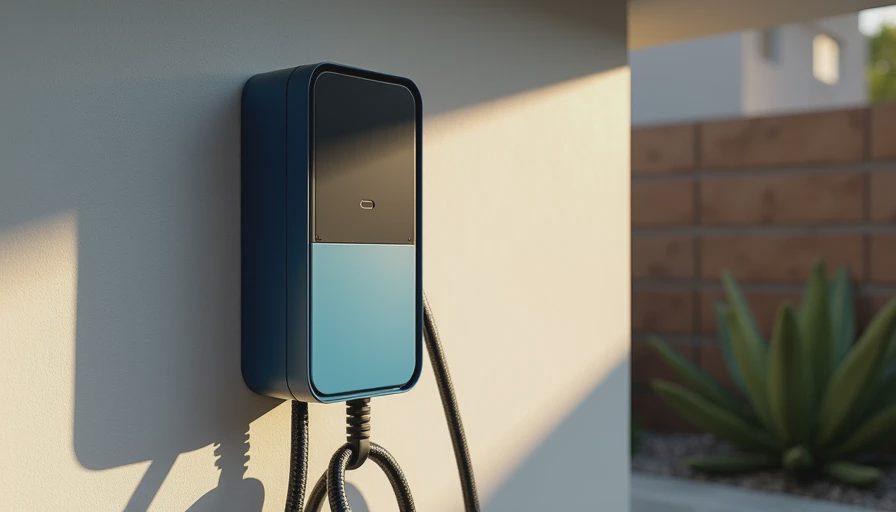
The Real Difference Between Having a Home Charger and Planning to Install One
Hey, Logan Pierce here. If you’ve been reading along, you know I work in EV charging network operations in Phoenix. I see the difference between smooth ownership and painful friction every single day.
Today we’re talking about something that sounds simple but trips up more new EV buyers than almost anything else: the massive gap between having a home charger versus planning to install one someday.
A good car decision should still feel good on a Tuesday. And nothing ruins a Tuesday faster than realizing your “future home charger” is still just a good intention while you’re tired and need to charge.
Why This Distinction Matters More Than People Think

Most first-time EV shoppers hear “Level 2 charger” and think, “Yeah, I’ll get that sorted.” It sounds easy. Walk into an electrician, pay some money, done.
Reality is messier.
I live in a townhouse with my girlfriend. We already had a reliable Level 2 charger when we bought our current car. That single piece of infrastructure changed our entire ownership experience compared to friends who are still “planning” theirs.
The difference isn’t small. It’s the difference between an EV making your life easier and the EV becoming a daily chore.
The Reality of “Planning to Install One”
Let’s be honest about what “planning” usually looks like:
You buy the EV. You tell yourself you’ll call an electrician next month. Then life happens — work deadlines, a surprise car repair, vacation, whatever. Six months later you’re still using a 110V wall outlet that gives you about 3–5 miles of range per hour.
In Phoenix heat, that slow charging gets painful fast. You wake up, precondition the cabin for the drive (which uses energy), and suddenly your “full” overnight charge is only 70%. Then you start stressing about your 20- or 30-mile commute.
I’ve seen this pattern in the backend data more times than I can count.
What Actually Having a Home Charger Changes
When you have a proper Level 2 charger (240V, 30–50 amp):
You come home, plug in, and forget about it.
By morning, you have a full (or near-full) battery without thinking.
You stop worrying about range on normal days.
Your electricity cost drops dramatically compared to public charging or inefficient Level 1.
In my household, our Level 2 charger is basically invisible infrastructure — exactly how it should be. We plug in after dinner, it charges while we eat and watch NBA, and it’s ready before our morning coffee run.
The Real Costs and Timeline Most People Underestimate
Let’s run some honest Phoenix numbers:
Installation Cost: $800 – $2,500+ depending on your panel, distance from breaker box, and whether you need permits. Townhouses and apartments can easily hit the higher end.
Timeline: 2–8 weeks. That’s if everything goes smoothly. I’ve seen cases where HOA approval or utility upgrades pushed it to 3–4 months.
Daily Impact During the Waiting Period: Using a standard outlet means 8–12 hours to add meaningful range. In summer, when you’re running AC, that slow top-up feels even worse.
One friend bought a new EV in March. He’s still “planning” his charger in late May. He now admits he’s using public chargers more than expected and paying more than he budgeted.
My “Two-Charger Rule” for New Buyers
Before I recommend anyone go full EV, I tell them my simple test:
Do you have reliable home charging available right now or within the next 30 days?
If the answer is no, you should seriously consider whether an EV is the right move today — even if the math looks good on paper.
I’ve diagnosed enough failed public charging sessions at 6:20 PM on hot weekdays to know that depending on public infrastructure as your primary plan creates stress.
Real Household Scenarios That Change Everything
Townhouse with Dedicated Parking (Like Mine):
Home charger = game changer. Easy approval, straightforward install.
Apartment Dweller:
Often impossible without landlord cooperation. Many end up relying on public chargers and slowly growing to hate it.
Shared Driveway or Street Parking:
You’ll be running extension cords or hunting spots. That “convenient EV lifestyle” disappears quickly.
My girlfriend and I made the decision as a team. We looked at our routines — weekday commutes, weekend desert drives, evening grocery runs — and asked one question: Will this still feel easy on a random Tuesday when we’re both tired?
The existing charger made the answer yes.
Practical Advice If You’re Still in the “Planning” Stage
Get Quotes Before Buying the Car — Talk to 2–3 electricians first. Know exact cost and timeline.
Check HOA or Landlord Rules — Do this before you sign on the EV.
Factor Installation Into Your Budget — Don’t treat it as an afterthought. Add it to the total purchase math.
Consider a Portable Level 2 — Some decent options exist for temporary use, though they’re not perfect.
Be Brutally Honest About Your Parking — If it’s complicated, a hybrid might save you months of frustration.
The Bottom Line
Having a home charger ready turns an EV into a seamless tool. Planning to install one turns it into a part-time job.
The gap between those two realities is what separates happy EV owners from people who quietly regret their decision six months later.
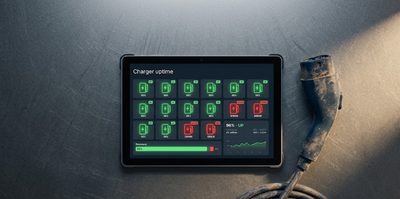
I’m not anti-EV. I love when they work well. But I’ve seen the uptime data and the angry driver tickets. Home charging isn’t optional infrastructure for most normal drivers — it’s the foundation.
If you can get a reliable Level 2 charger set up quickly and affordably, an EV can be fantastic for daily use. If that part still feels uncertain, it might be smarter to wait or go hybrid for now.
Start with your actual routine, not the brochure. And make sure your charging plan is ready before the car arrives in your driveway.
A good car decision should still feel good on a Tuesday — preferably without hunting for an outlet.

No notes on this sheet yet.