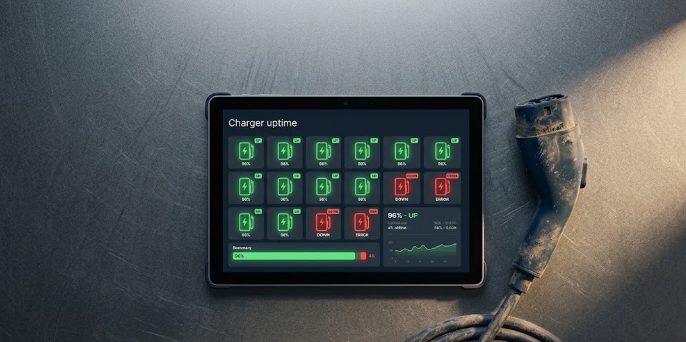
What Charger Reliability Looks Like From the Operations Side
Hey, it’s Logan Pierce. We’ve talked a lot about home charging, public charging friction, and fast charging limitations. Today, I’m pulling back the curtain from the operations side. I manage a regional EV charging network in Phoenix, which means I see the data, the tickets, the uptime reports, and the reality that most drivers never do.
Charger reliability isn’t as simple as “it works or it doesn’t.” There’s a whole world of nuance that affects whether your EV ownership feels smooth or stressful.
A good car decision should still feel good on a Tuesday. And when you pull up to a charger at 6:20 PM after a long day, reliability is what separates a good evening from an annoying one.
What “Reliable” Actually Means in Operations
When we talk about reliability internally, we look at several layers:
Uptime Percentage: How often the charger is actually available and working at full power.
Session Success Rate: How many plug-in attempts actually result in successful charging without errors.
Response Time to Issues: How fast we can get a broken charger back online.
Heat and Peak Performance: How stations hold up in 105°F+ Arizona summers during evening rush.
From the inside, even a 95% uptime charger can still frustrate users if the failures happen right when people need it most.
The Reality Most Drivers Don’t See
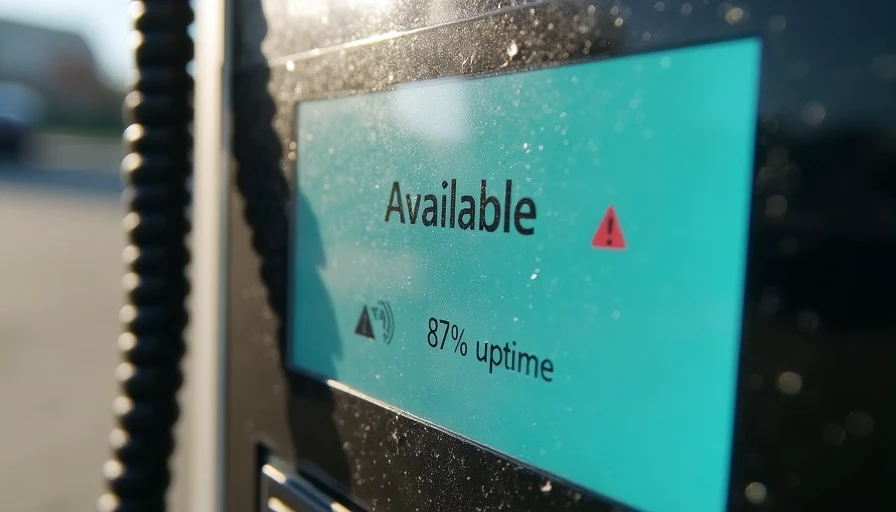
Here’s what the operations data shows:
Peak Hours Are Brutal: Between 5-8 PM, failure rates and throttling go up. Heat, high demand, and cables left in the sun all contribute.
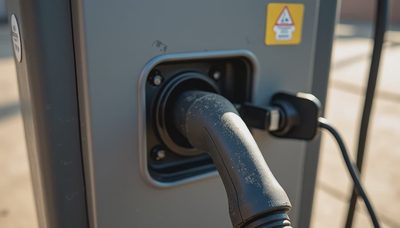
Cable and Connector Issues: This is the #1 failure point. People yank cables, leave them on the ground, or damage connectors. A charger can look perfectly fine on the app but be unusable.
Power and Grid Limitations: Some locations have great hardware but weak grid connections. They throttle speed during high demand.
Software Glitches: Modern chargers are basically computers. Updates, network issues, and payment system failures create silent downtime.
I’ve diagnosed chargers at 8 PM on a Wednesday where the driver was already late for dinner. Those moments stick with me.
Home vs Public Reliability Comparison
Home Level 2 (What I Have):
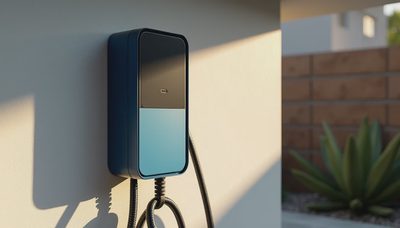
Extremely high reliability if properly installed. Once it’s working, it usually stays working. You control the environment. This is why I push home charging so hard.
Public Level 2:
Good for semi-regular use, but you share it with others. Reliability is solid but not perfect.
DC Fast Chargers:
Most variable. Great when they work, but they see the highest wear and tear. Heat impacts them the hardest.
In my household, our home charger has been more reliable than any public station I’ve used regularly.
Lessons Learned From Years of Tickets and Data
Location Matters More Than Brand A well-maintained station in a low-traffic spot often beats a fancy one at a busy mall.
Maintenance Shows Stations that get regular physical inspections and cleaning have dramatically better real-world performance.
Heat Is the Silent Killer In Phoenix, summer reliability drops noticeably. Chargers that look identical on paper perform very differently based on shade and ventilation.
User Behavior Affects Everyone Leaving a charger plugged in after finishing, blocking stalls, or aggressive plugging damages equipment for the next person.
Practical Advice Based on Real Operations Insight
Have a Backup Plan — Never rely on just one station near your home or work.
Use Multiple Apps — Different networks have different reliability patterns.
Charge Earlier When Possible — Avoid peak evening hours in hot weather.
Report Issues Quickly — Good networks fix things faster when they get accurate reports.
Prioritize Home Charging — This remains the most reliable option for daily life by a wide margin.
If you don’t have home charging sorted, understand that public reliability will become part of your daily math — and it’s rarely as good as marketing suggests.
What This Means for Your Buying Decision
When considering an EV, ask yourself:
How much am I willing to depend on public infrastructure?
Do I have a realistic backup plan for when chargers fail?
Am I buying assuming everything will work perfectly, or building in buffers?
The buyers who treat charger reliability as a real constraint (not an afterthought) end up much happier.
Bottom Line: Reliability Is About Systems, Not Magic
From the operations side, charger reliability is improving every year — but it’s still far from perfect. The gap between the map on your phone and actual experience is real.
The smartest owners build their life around reliable home charging first, then treat public chargers as helpful backups, not primary infrastructure.
In the Charge category, we’ll keep diving into these practical truths. Next time we’ll talk about why charging apps create more confusion than they remove.
Until then, be honest about your local charger reliability. Run the boring math. Make sure your EV plan still feels good when you pull up to a station on a random Tuesday evening and it actually works.
Because a good car decision should still feel good on a Tuesday — preferably without any surprise error messages.
No notes on this sheet yet.