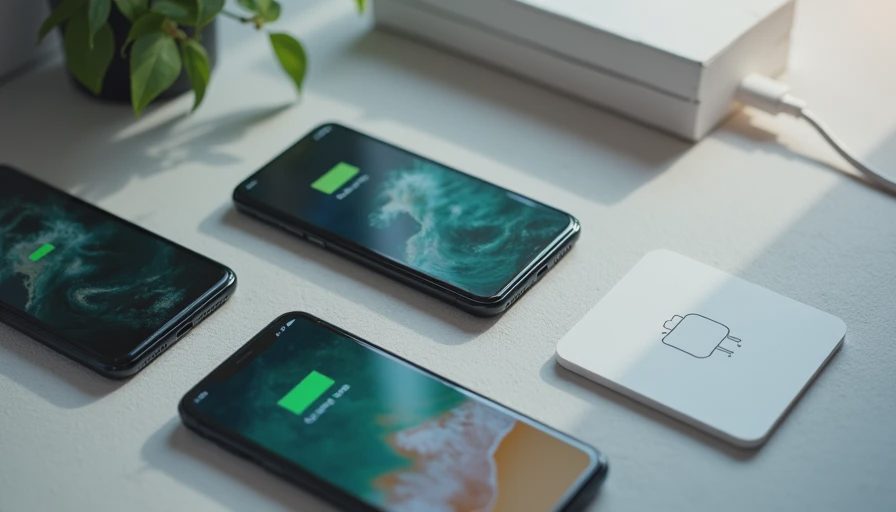
Why Charging Apps Create More Confusion Than They Remove
Hey, it’s Logan Pierce. After discussing when hybrids make more sense and real range buffers, let’s talk about something that quietly frustrates more EV owners than almost anything else: charging apps.
I work in charging network operations in Phoenix. I see both sides — the driver complaints that come through our support tickets and the actual backend performance of the stations. Most apps promise to make charging effortless. In reality, they often add layers of confusion, inaccurate information, and unnecessary stress.
A good car decision should still feel good on a Tuesday. Pulling up to charge after work shouldn’t involve juggling three different apps, praying the status is correct, and hoping the payment goes through smoothly.
The Promise vs The Reality
Every app advertises the same things:
Real-time availability
Seamless payment
Reliable station status
Easy navigation
But here’s what actually happens on a normal Tuesday evening in 100°F heat:
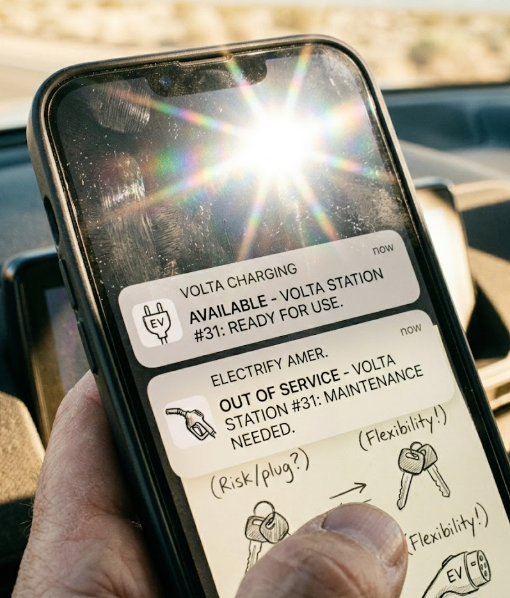
You open the app. It says three chargers are available. You drive there. Two are occupied, one is throwing an error, and the app still shows “Available.” Sound familiar?
This pattern repeats far too often.
The Main Problems I See From Operations
1. Inaccurate Status
Apps rely on the charger “phoning home.” When a station goes offline or throttles due to heat, the update is often delayed. Drivers get sent to broken units.
2. Too Many Apps
There are multiple networks (Electrify America, EVgo, ChargePoint, Tesla, etc.). Many stations only work with one. New owners end up with 4–5 apps on their phone and still get stuck.
3. Payment Friction
Account setup, saved cards failing, random authentication errors — these small annoyances add up when you’re tired and just want to charge.
4. Poor Filtering
Most apps don’t let you easily filter for Level 2 vs DC fast, working vs broken, or stations with good shade in summer.
5. Overpromising Reliability
The map looks perfect. Reality includes construction, broken connectors, and stations that work only 70% of the time during peak hours.
I’ve seen enough angry driver reports to know this frustration is widespread.
My Personal Experience
My girlfriend and I tried relying more on public charging during a trial period. Between conflicting app statuses, payment failures, and driving to stations that weren’t actually working, we quickly realized how much mental energy it consumed.
Even with home charging as our primary, the few times we needed public backup, the apps made it more complicated than it should be.
What Actually Works Better
From the operations side, the most reliable setups I see are:
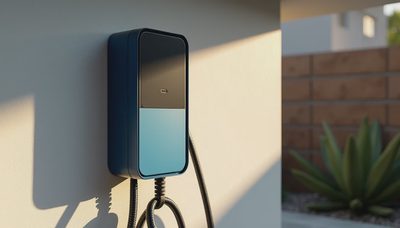
Home Level 2 as Primary — One simple, reliable charger you control. No apps needed most days.
One or Two Trusted Public Networks — Instead of trying to use everything, pick the best two in your area and stick with them.
Low Expectations — Treat apps as helpful guides, not gospel truth. Always have a backup station in mind.
The goal should be reducing app usage, not increasing it.
Practical Tips to Reduce App Frustration
Prioritize Home Charging — This is still the best way to avoid apps entirely for daily use.
Choose Networks Wisely — Research which ones have better uptime in your specific area.
Use In-Car Navigation — Many newer EVs integrate station data better than phone apps.
Call or Report Quickly — Good networks fix issues faster when they get accurate reports.
Have a Non-App Backup Plan — Know a few reliable stations near key locations that you’ve personally tested.
Bottom Line: Infrastructure Should Be Invisible
The best charging experience is the one you barely think about. When apps become a central part of your ownership, it often means the overall setup isn’t working as smoothly as it should.
Charging apps have improved over the years, but they still create more confusion and steps than they remove for most normal drivers. The real solution isn’t a better app — it’s building your life around reliable home charging and using public options only when truly needed.
In the Charge category, we’ll keep focusing on these real-world friction points. Next time we’ll talk about the 80% rule and whether it’s actually useful or just internet ritual.
Until then, be honest about how much time you want to spend on apps versus just driving. Run the boring math. Make sure your charging plan still feels good on a Tuesday — without opening yet another app.
Because a good car decision should still feel good on a Tuesday — preferably without error messages.
No notes on this sheet yet.